Amyloid Is Not the Whole Story. It Is Not a Scam Either.
Earlier this week, I was scrolling through social media when I came across an article about anti-amyloid therapies for Alzheimer's disease. I clicked into the comments and was surprised by just how much misinformation was being repeated with complete confidence.
There were countless comments claiming that amyloid was a scam, that the entire theory had been debunked, or that researchers had wasted decades chasing a ghost. Mixed in were equally confident pitches for supplements, detox diets, essential oils, and whatever other cure-all happens to be trending that week.
I understand where the distrust comes from. There have been legitimate concerns about research misconduct involving manipulated images in a highly influential 2006 paper. Those revelations did real damage to public trust, and understandably so. When scientific findings are manipulated, even within a small part of a field, people begin to question everything that follows. That loss of trust rarely stays confined to the individuals responsible.
But misconduct in a handful of papers is not the same as disproving the role of amyloid in Alzheimer's disease. More importantly, it is not evidence that anti-amyloid therapies are ineffective. Those conclusions simply are not supported by the broader body of evidence.
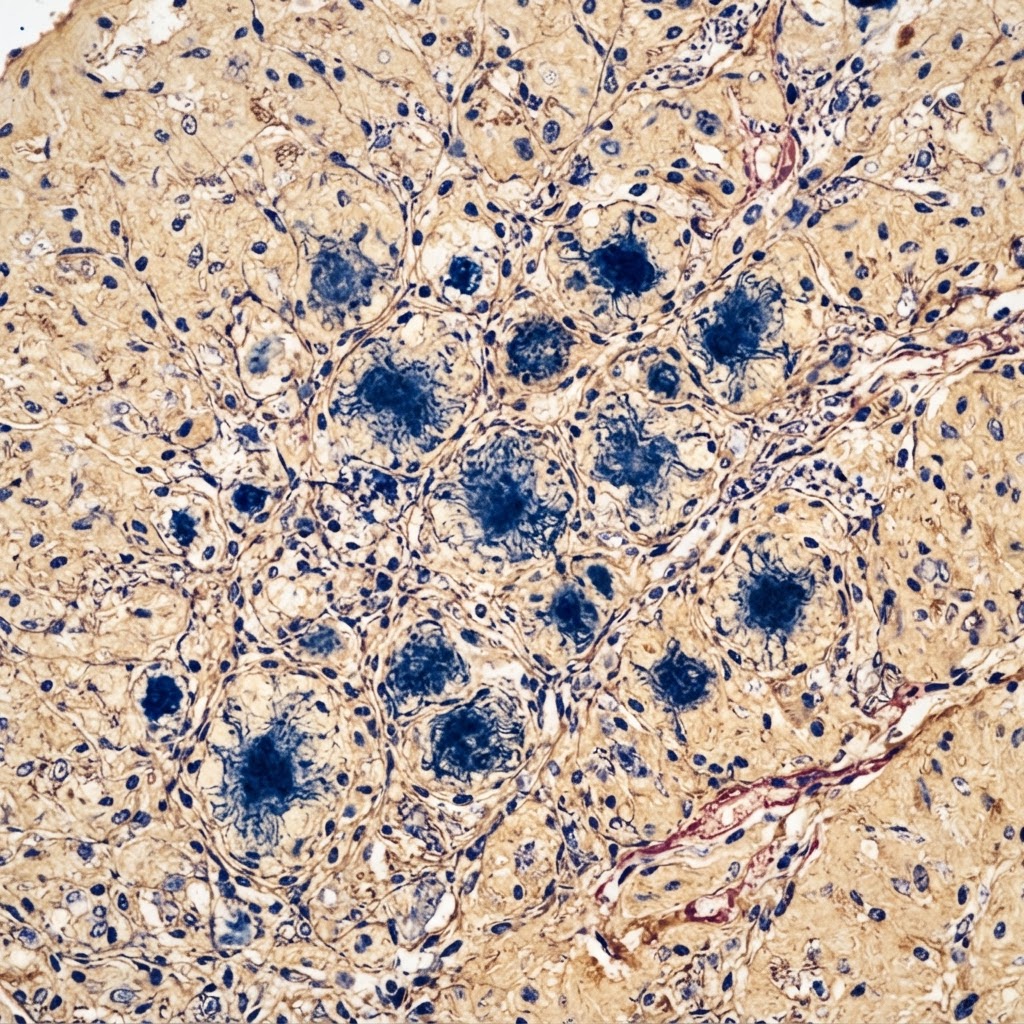
Amyloid has been studied through neuropathology, genetics, cerebrospinal fluid analysis, PET imaging, blood biomarkers, and large clinical trials conducted by independent investigators around the world. Taken together, these lines of evidence show that amyloid accumulation begins years before symptoms develop in many people with Alzheimer's disease. Clinical trials have also demonstrated that reducing amyloid can modestly slow cognitive decline in carefully selected people with early Alzheimer's disease.
That does not make these drugs a cure. They do not reverse dementia, restore lost memories, or stop the disease altogether. They also carry meaningful risks, including amyloid-related imaging abnormalities (ARIA), which can cause brain swelling or small areas of bleeding and require careful MRI monitoring. There is plenty of room for reasonable debate about cost, access, patient selection, and whether the overall benefit outweighs the burden of treatment for an individual patient.
Those are the conversations we should be having. Saying amyloid is a scam is an entirely different claim.
Part of the confusion may come from how Alzheimer's research is portrayed publicly. Anti-amyloid therapies receive enormous attention because they are the first treatments shown to slow disease progression. That attention can make it seem as though the entire research community is focused on amyloid and little else.
The reality is quite different.
Researchers are actively investigating tau, neuroinflammation, microglial activity, vascular disease, insulin resistance, oxidative stress, mitochondrial dysfunction, sleep, immune pathways, and many other aspects of neurodegeneration. Some of these processes may contribute directly to disease, while others may influence how quickly it progresses or why symptoms vary so much from one person to another.
With the Alzheimer's Association International Conference underway this week, I hope some of the attention shifts toward this broader picture. Some of the most anticipated presentations are not about amyloid at all—they focus on tau, blood biomarkers, inflammation, and other emerging approaches. Amyloid matters, but it is only one part of an extraordinarily complex disease. The public conversation often reduces Alzheimer's research to a choice between believing amyloid explains everything or believing it explains nothing. Biology is rarely that simple.
I would be surprised if Alzheimer's disease is ultimately treated with a single medication aimed at a single target. The disease develops over many years and affects multiple biological systems. By the time symptoms appear, amyloid is only one of several active processes contributing to cognitive decline.
The future is likely to involve combination therapy. One treatment may reduce amyloid, another may target tau, while others may address inflammation, vascular disease, or metabolic dysfunction. Treatment may eventually be tailored to a person's stage of disease, biomarker profile, genetics, and other health conditions affecting the brain.
We already think this way in other areas of medicine. We rarely treat cancer with a single therapy. Cardiovascular disease is managed by addressing multiple risk factors at once. HIV became a manageable chronic disease because combination therapy proved more effective than relying on a single medication.
My suspicion is that Alzheimer's disease will eventually follow a similar path.
That does not mean every proposed treatment deserves equal credibility. A biologically plausible theory is an important starting point, but it is not proof. Likewise, a compelling personal story, while meaningful, cannot replace evidence from well-conducted clinical trials. It is completely understandable that families are searching for better answers when current treatments remain limited. That same hope, however, also makes people vulnerable to claims that promise certainty where the evidence does not yet exist.
We should continue questioning Alzheimer's research. We should scrutinize clinical trial design, safety, meaningful clinical benefit, conflicts of interest, and cost. We should also be willing to change our thinking when new evidence emerges. That is how science moves forward.
What we should not do is trade thoughtful criticism for blanket cynicism.
Amyloid is not the whole story, but calling it a scam ignores decades of evidence. More importantly, it distracts from where the field is headed. The future of Alzheimer's treatment is unlikely to rest on a single target. It will more likely come from understanding how many pieces of this disease fit together—and learning how to treat more than one of them at a time.
This article is provided for informational and educational purposes only and does not constitute medical advice. Always consult a qualified healthcare professional for questions about diagnosis, treatment, or your personal health.