Articles
All articles
Research translated into clear, actionable language for patients, families, and clinicians.

When Caring for Someone You Love Starts to Wear You Down
Caregiver burnout is real, physical, and not fixed by a yoga class. What the research actually shows about prolonged caregiving stress, and the concrete help — respite, Medicare, Medicaid, VA, employer, and support groups — that exists if you know where to look.

Can Dementia Really Be Transmitted Through Blood? What the New Lancet Paper Actually Says
A new Lancet Viewpoint raised the question of whether amyloid-beta pathology could be transmitted through blood transfusion. The evidence is intriguing but far from conclusive. Here is what the paper actually says, what it does not, and why the most accurate headline is also the least dramatic.

The Second Question in Dementia Diagnosis
Alzheimer's biomarkers can now tell us with remarkable precision whether Alzheimer's pathology is present. But when the answer is no, the diagnostic path becomes far less clear. A reflection on the gap between knowing what someone doesn't have and knowing what they do.

The Alzheimer's Blood Test Was Negative. Now What?
A negative Alzheimer's blood test doesn't mean the cognitive changes aren't real. Here's what clinicians look for next — from Lewy body disease and FTD to vascular cognitive impairment and the biomarkers that are just now becoming available.

Can You Have Alzheimer's Without Dementia?
Alzheimer’s disease and Alzheimer’s dementia aren’t quite the same thing. A Golden Retriever puppy offers a simple way to understand the difference—and how Alzheimer’s can look very different over time.

The Golden Retriever Rule: Alzheimer's vs. Dementia, Finally Explained
Alzheimer's and dementia aren't two separate conditions. A simple analogy—dogs and Golden Retrievers—finally makes the relationship clear.

Lithium and Alzheimer's Disease: What Does the Research Actually Show?
A Nature study found lithium trapped in amyloid plaques and depleted in brain tissue affected by Alzheimer's disease. Here is what the research actually shows, why over-the-counter lithium orotate isn't the answer yet, and what the first human trial may tell us.

Opportunity, Not Blame: How We Talk About Dementia Prevention Matters
The '45% of dementia is preventable' statistic is sound science—but the way we talk about prevention can unintentionally sound like blame. Here is what the research actually says, and how to frame it with hope instead of guilt.

Leqembi and Kisunla Are FDA-Approved. But How Do Patients Actually Get Them?
A practical guide to clinical eligibility, insurance steps, safety checks, and care delivery for new anti-amyloid therapies.

Thinking About an Alzheimer’s Blood Test? Here’s What You Should Know First
Blood tests for Alzheimer’s disease have moved from research into clinical practice faster than many realize. Here’s what these tests actually measure, who should consider them, and why a result is only one part of a complete evaluation.

Headline vs. Reality: Is Watching TV Really Bad for Your Brain?
A closer look at the study behind the headlines linking TV watching to brain changes — what the research actually showed, what it didn't, and what really matters for protecting cognitive health.

Beyond Plaques: Can We Repair the Brain's Own Natural Cleaning System?
A new study in mice asks a different question: instead of removing amyloid directly, can we restore the brain's natural waste clearance systems? Here's what the early research on Cu(ATSM) shows—and what it doesn't.
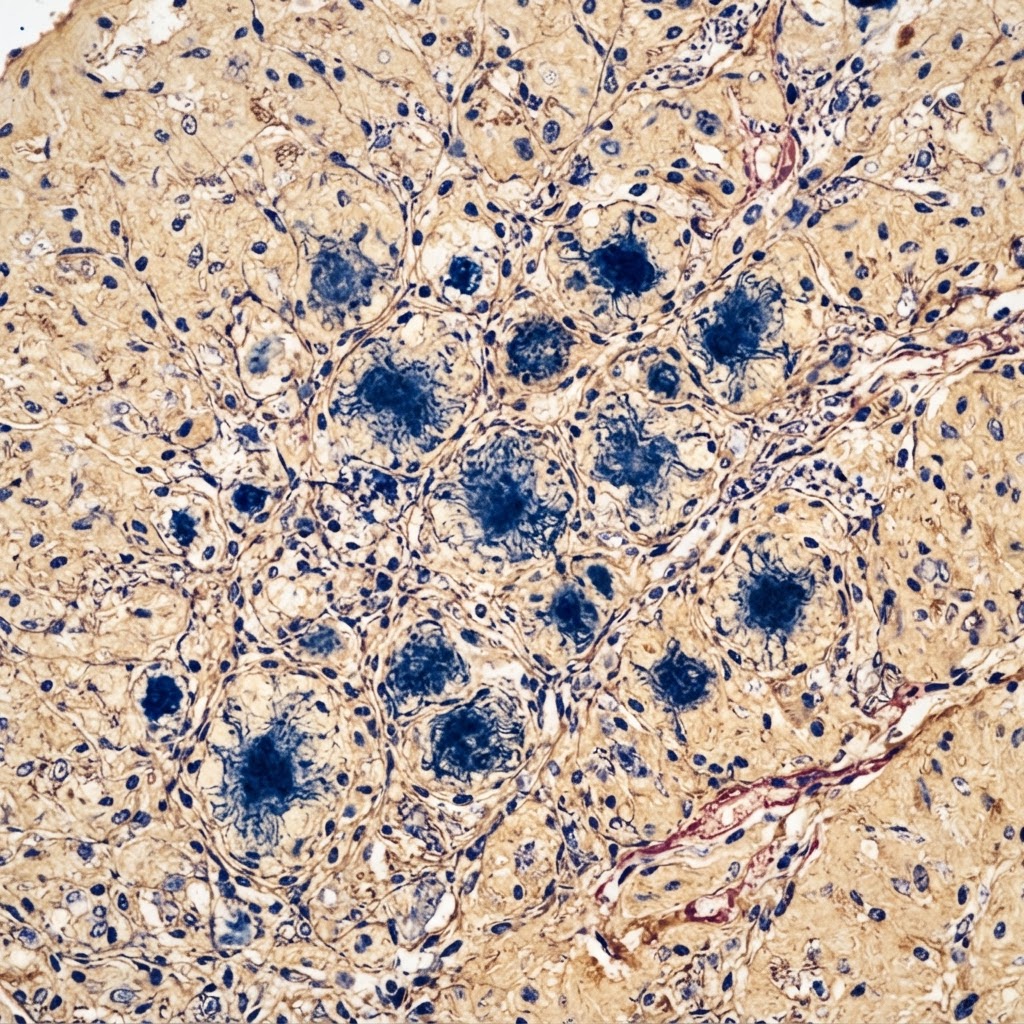
Amyloid Is Not the Whole Story. It Is Not a Scam Either.
Research misconduct in a handful of papers didn't invalidate decades of Alzheimer's research. Here's why anti-amyloid therapies matter—and why they're only one piece of a much larger puzzle.

Why Your Brain Feels Different During Menopause
Understanding brain fog, memory changes, and when it's time to look deeper. Many women notice cognitive changes during the menopausal transition — here's what the research actually shows, and when symptoms deserve a closer look.

I Think I'm Losing My Memory. Now What?
Memory changes can be frightening, but they are not the same as Alzheimer's disease. Here's what to know before jumping to conclusions — and what a thoughtful evaluation actually looks like.

From Headline to Treatment: Why Medical Research Takes So Long
A promising headline is not the same thing as an available treatment. Understanding the difference can help patients and families hold onto hope without being misled by hype.
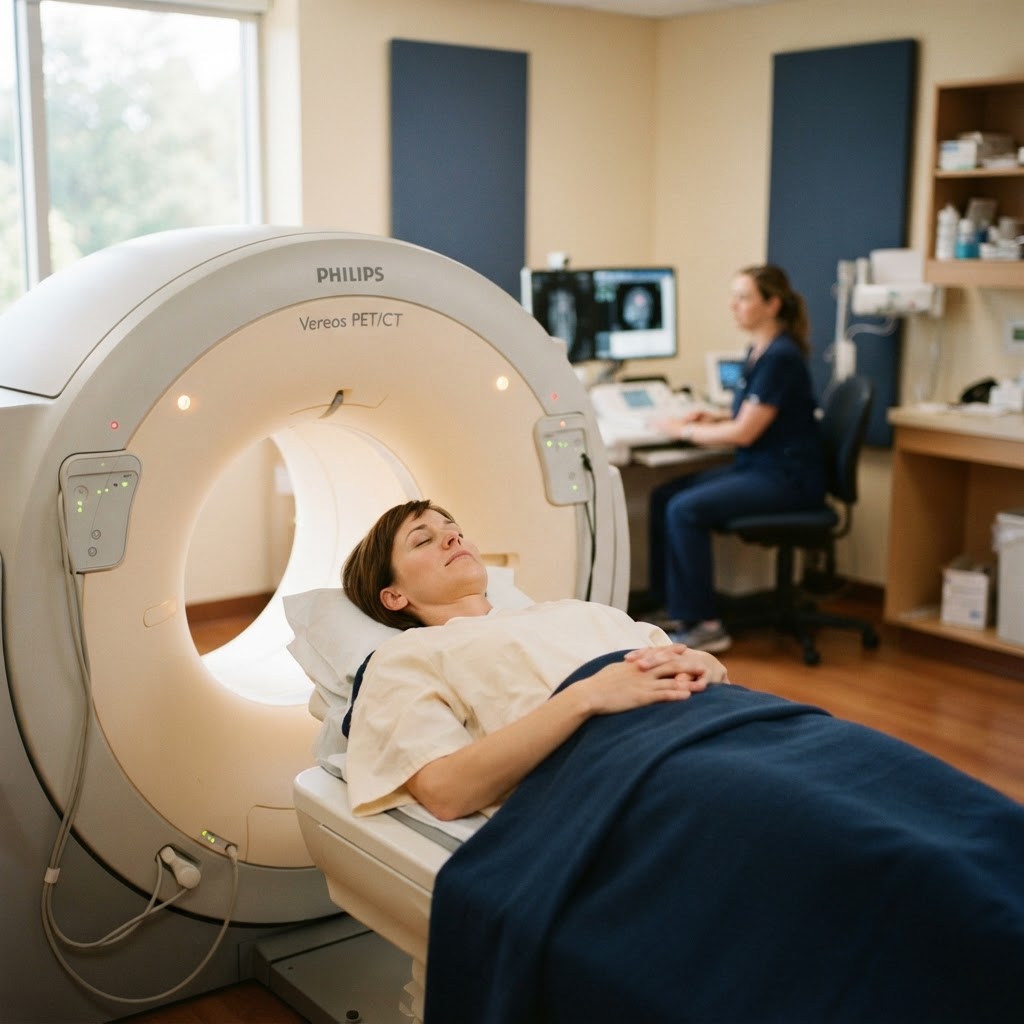
How PET Scans Changed Our Understanding of Alzheimer's Disease
PET scans can reveal amyloid plaques, tau tangles, and metabolic changes in the brain. Here's what they contribute to a dementia workup — and where they fit in the bigger picture.

Lewy Body Dementia: A Common Dementia Syndrome Many People Haven't Heard Of
Lewy body dementia is the second most common form of progressive dementia, yet it remains widely underdiagnosed and misunderstood. Here's what families and clinicians need to know.

The Gap Between Research and Care: Why Evidence Takes So Long to Reach Patients
There's a well-documented delay between research breakthroughs and changes in clinical practice. Understanding why — and what can be done about it.

Phase 3 Trials: What They Mean and Why They Matter
Phase 3 clinical trials are the final large-scale test before a drug seeks FDA approval. Here's how they work, what the results mean, and how to read them critically.

What Is Mild Cognitive Impairment — and When Should You Worry?
Mild cognitive impairment (MCI) sits between normal aging and dementia. Here's what it means, how it's diagnosed, and what the research says about who progresses — and who doesn't.