Research & Perspective
Insights on neurodegenerative research, science communication, and the gap between research findings and real-world care.

Chemo Brain Is Real. Survivors Deserve More Than Learning to Live With It.
Cancer treatment can end while its cognitive effects remain. This article explores the science behind chemo brain, how it differs from dementia, and why survivors deserve more than reassurance and advice to cope.

What Do Bleeding Gums Have to Do With Alzheimer's Disease?
A new study linking gum disease to a 61% higher Alzheimer's risk made headlines. As a former investigator on the clinical trial that tested this very hypothesis, I went straight to the data — and found a more complicated story about correlation, causation, and why Alzheimer's resists single solutions.

Can Dementia Really Be Transmitted Through Blood? What the New Lancet Paper Actually Says
A new Lancet Viewpoint raised the question of whether amyloid-beta pathology could be transmitted through blood transfusion. The evidence is intriguing but far from conclusive. Here is what the paper actually says, what it does not, and why the most accurate headline is also the least dramatic.
The Second Question in Dementia Diagnosis
Alzheimer's biomarkers can now tell us with remarkable precision whether Alzheimer's pathology is present. But when the answer is no, the diagnostic path becomes far less clear. A reflection on the gap between knowing what someone doesn't have and knowing what they do.

Lithium and Alzheimer's Disease: What Does the Research Actually Show?
A Nature study found lithium trapped in amyloid plaques and depleted in brain tissue affected by Alzheimer's disease. Here is what the research actually shows, why over-the-counter lithium orotate isn't the answer yet, and what the first human trial may tell us.

Opportunity, Not Blame: How We Talk About Dementia Prevention Matters
The '45% of dementia is preventable' statistic is sound science—but the way we talk about prevention can unintentionally sound like blame. Here is what the research actually says, and how to frame it with hope instead of guilt.

Headline vs. Reality: Is Watching TV Really Bad for Your Brain?
A closer look at the study behind the headlines linking TV watching to brain changes — what the research actually showed, what it didn't, and what really matters for protecting cognitive health.
Beyond Plaques: Can We Repair the Brain's Own Natural Cleaning System?
A new study in mice asks a different question: instead of removing amyloid directly, can we restore the brain's natural waste clearance systems? Here's what the early research on Cu(ATSM) shows—and what it doesn't.
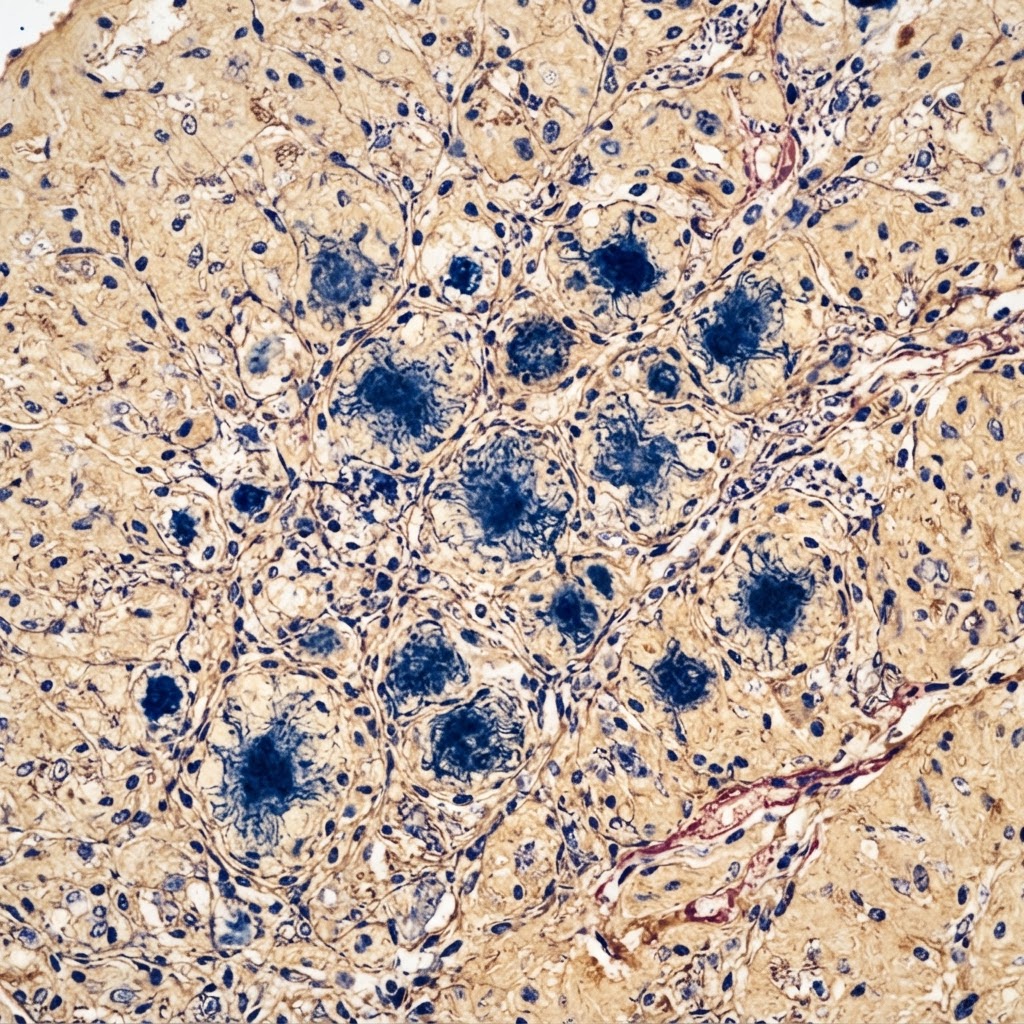
Amyloid Is Not the Whole Story. It Is Not a Scam Either.
Research misconduct in a handful of papers didn't invalidate decades of Alzheimer's research. Here's why anti-amyloid therapies matter—and why they're only one piece of a much larger puzzle.

Why Your Brain Feels Different During Menopause
Understanding brain fog, memory changes, and when it's time to look deeper. Many women notice cognitive changes during the menopausal transition — here's what the research actually shows, and when symptoms deserve a closer look.

The Gap Between Research and Care: Why Evidence Takes So Long to Reach Patients
There's a well-documented delay between research breakthroughs and changes in clinical practice. Understanding why — and what can be done about it.